
Can You Use Any Type of Soy Sauce for Sushi?

Teriyaki sauce
Did you know that choosing the right soy sauce can make a big difference to your sushi experience?

Many people don’t think much about which soy sauce they serve with sushi. But the type you choose can have a big impact on the overall taste. That’s why choosing the right soy sauce matters.

The Right Soy Sauce Enhances the Flavour of Sushi

Sushi is a delicate dish where the flavours of each ingredient should be perfectly balanced. That’s why it’s important to choose a soy sauce that is neither too strong nor too salty.

A soy sauce with a very strong flavour can easily overpower the delicate taste of the fish and rice. If it also contains too much salt, the salty taste may dominate the entire experience.

The right soy sauce should enhance the natural flavours of sushi and create a pleasant balance between the ingredients.

Which Soy Sauce Is Best for Sushi?

Not all types of soy sauce are equally suitable for sushi.

As a sushi chef trained in Japan, I have extensive knowledge of different types of soy sauce and how they affect the taste of sushi.

I recommend a special Japanese soy sauce that very few people know about. It was once available in a small number of supermarkets and speciality shops. However, due to its high wholesale price, these shops no longer stock it.

Finding this particular soy sauce requires specialist knowledge. I have carefully selected it for its ability to bring out the delicate flavours of sushi.

You can purchase this soy sauce when attending one of my sushi classes.

Learn to Make Sushi with the Right Ingredients

Would you like to learn more about sushi, its ingredients, and the small details that make a big difference?

Find out more about my Sushi course for beginners and learn how to make delicious sushi at home.

_
Zoë has lectured and held sushi courses for A. P. Moller – Maersk, Hugo Boss Nordic, Novo Nordisk, Novartis, Velux, Gorrissen Federspiel, Beierholm revision, Elbek & Vejrup and many more.
Gem

Gem

Gem

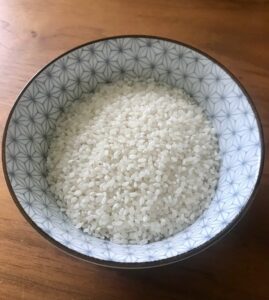
Japanese Sushi Rice – Is It Always the Best Choice?

Sushi rice
Many people believe that Japanese sushi rice is always the best choice when making sushi. But that is not necessarily the case.

There are many different varieties and qualities of Japanese sushi rice. The type you choose can make a big difference.

Japanese Sushi Rice Can Be Difficult to Work With

Some varieties of Japanese sushi rice require experience to handle properly. They can be challenging to cook, and preparing the rice after cooking can also be tricky.

Certain varieties tend to form clumps. This can make it harder to spread the rice evenly and work with it when shaping your sushi.

Which Sushi Rice Should Beginners Choose?

If you are new to making sushi or have little experience cooking sushi rice, I recommend choosing a variety that is easier to work with.

The most important thing is not whether the rice comes from Japan. It is choosing good-quality sushi rice that suits your experience level.

Once you have learned how to cook and prepare sushi rice properly, you can start experimenting with different Japanese rice varieties.

Want to Learn How to Make Perfect Sushi Rice?

In my beginner sushi class, you will learn how to cook and prepare sushi rice correctly. This will give you a great foundation for making delicious sushi at home.

Learn more about my Sushi course for beginners

_
Zoë has held sushi courses and cooking classes for A. P. Moller – Maersk, Hugo Boss Nordic, Novo Nordisk, Novartis, Capgemini, Gorrissen Federspiel, Beierholm revision, Elbek & Vejrup and many more.

Japanese Noodle Soup Course for Beginners

Japanese noodle soup for beginners
Learn how to make delicious and authentic Japanese ramen using ingredients commonly used by Japanese chefs.

In Japan, noodle soup is much more than just soup. It is a popular dish and an important part of Japanese food culture.

To make delicious ramen, it is essential to master the classic Japanese fish stock, dashi, from scratch – just as Japanese chefs do.

During the course, you will learn how to make dashi from scratch. You will also be introduced to the techniques and ingredients that define Japanese noodle soup.

About the Course

Step by step, you will learn how to work with Japanese ingredients that create the unique flavours and aromas of authentic ramen. You will also gain insight into Japanese food culture and the special place noodle soup holds in Japan.

You will work with ingredients such as kombu, bonito flakes and miso paste. You will learn which noodles are best suited to different types of soup. You will also practise classic Japanese cooking techniques and learn how to prepare and cut vegetables, meat and soy products correctly.

Step by step, you will make two delicious noodle soups from scratch using dashi – one ramen and one udon noodle soup.

Read more about the  Japanese noodle soup for beginners

_
Zoë has held sushi courses and cooking classes for A. P. Moller – Maersk, Hugo Boss Nordic, Novo Nordisk, Novartis, Capgemini, Gorrissen Federspiel, Beierholm revision, Elbek & Vejrup and many more.

Gem

Gem

Gem

Gem

Gem

Gem

Gem

Gem

Japanese Noodle Soup – A Beloved Dish with a Rich Tradition

Japanese noodle soup for beginners

In Japan, noodle soup holds a special place in the food culture. The Japanese love for noodle soup can be compared to the Danish love for traditional meatballs. It is a classic everyday dish that many people grow up eating. It can be enjoyed all year round.

Japanese chefs are often familiar with noodle soup and the techniques used to create a delicious bowl. The broth is especially important, as it provides the rich and deep flavors that make the soup so special.

There is not just one type of Japanese noodle soup. In fact, there are many different varieties. Each noodle shop often has its own recipe and special way of preparing the broth. Just like Danish meatballs, chefs have their own little secrets that make their version unique.

Although recipes vary, Japanese noodle soups share some common traditions. Balance, umami, and high-quality ingredients are at the heart of Japanese cooking.

Japanese noodle soups are also different from Chinese and Vietnamese noodle soups. Each country has its own food traditions, ingredients, and flavor combinations. These differences give each soup its unique character.

Learn more about the Japanese Noodle Soup Cooking Class for Beginners

_
Zoë has held sushi courses and cooking classes for A. P. Moller – Maersk, Hugo Boss Nordic, Novo Nordisk, Novartis, Velux, Gorrissen Federspiel, Beierholm revision, Elbek & Vejrup and many more.

What is the most popular type of noodle soup in Japan?

Japanese noodle soup for beginners
There are many different types of noodle soup in Japan. But one of the most popular is without a doubt ramen.

Ramen is served all over Japan, from small and cosy ramen shops to larger restaurants. Small ramen shops are especially popular because they are easy to find and offer a quick and tasty meal. It often takes just a few minutes from placing your order until a hot and delicious bowl of ramen is served.

One thing that makes Japanese ramen shops so special is their recipes. Many shops have their own way of preparing ramen. Some recipes have been passed down through generations and refined over the years. This means that the taste and experience can vary greatly from one ramen shop to another.

On our Japanese noodle soup course for beginners, you will learn how to make two different noodle soups from scratch. One of them is a classic ramen. You will learn about the flavours and techniques used to create the kind of ramen you can enjoy in Tokyo.

You do not need any previous cooking experience. The course is for anyone who would like to learn more about Japanese cooking and make a delicious bowl of noodle soup full of flavour.

Learn more about our Japanese noodle soup course for beginners

_
Zoë has lectured and held sushi courses for A. P. Moller – Maersk, Hugo Boss Nordic, Novo Nordisk, Novartis, Capgemini, Gorrissen Federspiel, Beierholm revision, Elbek & Vejrup and many more.

How long can sushi be kept in the fridge?

Sushi has a much shorter shelf life than many other Japanese dishes. For this reason, it is best to eat sushi on the same day it is bought or prepared.

There are several good reasons for this.

Raw fish is an important ingredient in many types of sushi. It is highly perishable and needs to be kept properly chilled. Just like beef tartare, it is best enjoyed fresh. This is better for both quality and food safety.

Avocado is another ingredient that quickly loses its freshness. Most people have seen half an avocado turn brown after a night in the fridge. The same can happen to the avocado in sushi.

Sushi rice also changes over time. After a day in the fridge, the rice often becomes harder and less pleasant to eat. This can affect the overall taste and texture.

In a Sushi course for beginners, you will learn how to make fresh and delicious sushi. You can enjoy it for lunch or dinner and, of course, while it is at its best.

_
Zoë has held sushi courses and cooking classes for A. P. Moller – Maersk, Hugo Boss Nordic, Novo Nordisk, Novartis, Capgemini, Gorrissen Federspiel, Beierholm revision, Elbek & Vejrup and many more.

Can you use any fish for sushi?

Yes and no.

Many different types of fish can be used for sushi. However, not all fish are suitable for sushi.

When making sushi, it is not enough to simply consider the type of fish you buy. There are several things to keep in mind when fish is going to be eaten raw.

Which fish should you choose for sushi?

Salmon and tuna are probably the fish most people associate with sushi. But there are other types of fish that can be used as well.

However, this does not mean that you can buy just any salmon, tuna, or other fish and use it raw for sushi.

Fish can vary greatly. How the fish has been handled before it reaches you also matters. That is why it is important to know what to look for when choosing fish for homemade sushi.

This is one of those areas where a little knowledge can make a big difference.

In my Sushi Course for Beginners, you will learn more about the fish used for sushi. You will also learn what to consider when buying and preparing fish for sushi at home.

This will make it easier to make the right choices when buying fish for your homemade sushi.

_
Zoë has held sushi courses and cooking classes for A. P. Moller – Maersk, Hugo Boss Nordic, Novo Nordisk, Novartis, Capgemini, Gorrissen Federspiel, Beierholm revision, Elbek & Vejrup and many more.

In Japan, sushi restaurants only uses fish that are in season

In Japan, Japanese sushi chefs have a different view of fish. From childbirth Japanese children learn to eat all the ocean has to offer.
As a restaurant guest in Japan you will find that the menu in sushi restaurants looks different.

It is very normal that there are approx. 20 different kinds of seafood on the menu. In addition, the Japanese sushi restaurants replace the menu card several times a year.

This is because many fish can only be obtained in certain months over a year. Some fish species have to swim many kilometers every year, for example, to spawn.

If a fish is not in season it is not on the menu card.

At Sushi course for beginners you learn to cook tasty sushi with the most sought after fish for sushi in Denmark.

_
Zoë has lectured and held sushi courses for A. P. Moller – Maersk, Hugo Boss Nordic, Novo Nordisk, Novartis, Velux, Gorrissen Federspiel, Beierholm revision, Elbek & Vejrup and many more.
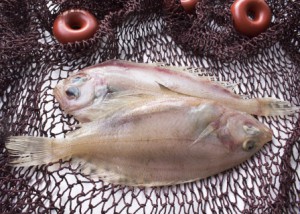
Authentic Japanese Teriyaki sauce which you can eat with a spoon

Teriyaki sauce

Teriyaki sauce has become a popular addition to many Asian dishes, and most people know it as the bottled version found in supermarkets and Asian specialty stores.

However, the homemade, authentic Japanese teriyaki sauce is a completely different experience. It’s rich, well-balanced, and so full of flavor that many of our course participants cannot resist taking a spoonful straight from the pot the first time they taste it.

In our Traditional Japanese Cooking Class for Beginners, participants learn how to prepare three classic Japanese dishes entirely from scratch. One of the favorites is teriyaki salmon a dish that brings out the delicate aromas and depth of flavor in the salmon. The silky-smooth teriyaki sauce adds the final touch, elevating the dish to something truly special and making the taste buds sing.

Read more about Traditional Japanese cooking class for beginners

_
Zoë has held sushi courses and cooking classes for A. P. Moller – Maersk, Hugo Boss Nordic, Novo Nordisk, Novartis, Velux, Gorrissen Federspiel, Beierholm revision, Elbek & Vejrup and many more.

Therefore, Japanese sushi seaweed is so healthy!

Most people have heard that eating seaweeds are healthy. And that’s it.
There are more and more companies that sells seaweed to consumers.

However, I am a little skeptical.
It does matter where the seaweed are picked. There are areas that are contaminated.

Therefore, I continue to eat seaweed Nori for sushi.
Seaweed for sushi is grown as oats grow on a Danish soil. That’s why I know that the quality is okay.

In addition, sushi seaweed is the vegetable in the world that contains most minerals and vitamins.

At Sushi course for beginners I talk a lot more about seaweed.

_
Zoë has held sushi courses and cooking classes for A. P. Moller – Maersk, Hugo Boss Nordic, Novo Nordisk, Novartis, Velux, Gorrissen Federspiel, Beierholm revision, Elbek & Vejrup and many more.