
Course – Japanese Noodle Soup for Beginners

Learn how to prepare delicate and authentic Japanese ramen noodle soup using ingredients and produce commonly used by Japanese chefs.
In Japan, soup is not just soup, it is the nation’s preferred fast food and an essential part of everyday cuisine, rich in vitamins and minerals.

To create the best ramen soup, it is important to master the classic fish stock dashi from scratch, just as Japanese chefs in Tokyo do.
In this course, you will learn how to make dashi from scratch and explore the essential techniques and ingredients of Japanese noodle soup.

Japanese noodle soup for beginnersAbout the Course

By participating in the course, you will learn step by step how to work with Japanese ingredients. These ingredients create the unique flavors and aromas characteristic of authentic Japanese ramen.
You will also be introduced to Japanese food culture and the Japanese people’s favorite dish: noodle soup.

You will work with ingredients such as kombu, bonito flakes, and miso paste.
You will also learn which types of noodles are best suited to different soups.
In addition, you will practice classic Japanese cooking techniques while learning how to properly cut and prepare vegetables, meat, and soy products.

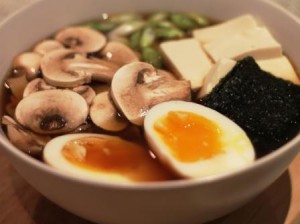
Step by step, you will prepare two delicious and healthy soups from scratch using dashi.
You will make one ramen and one udon.

Read more about the cooking course Japanese noodle soup for beginners

_
Zoë has held sushi courses and cooking classes for A. P. Moller – Maersk, Hugo Boss Nordic, Novo Nordisk, Novartis, Capgemini, Gorrissen Federspiel, Beierholm revision, Elbek & Vejrup and many more.

Gem

Gem

Gem

Gem

Gem

Gem

Gem

Gem

Therefore, Japanese sushi seaweed is so healthy!

Most people have heard that eating seaweeds are healthy. And that’s it.
There are more and more companies that sells seaweed to consumers.

However, I am a little skeptical.
It does matter where the seaweed are picked. There are areas that are contaminated.

Therefore, I continue to eat seaweed Nori for sushi.
Seaweed for sushi is grown as oats grow on a Danish soil. That’s why I know that the quality is okay.

In addition, sushi seaweed is the vegetable in the world that contains most minerals and vitamins.

At Sushi course for beginners I talk a lot more about seaweed.

_
Zoë has held sushi courses and cooking classes for A. P. Moller – Maersk, Hugo Boss Nordic, Novo Nordisk, Novartis, Velux, Gorrissen Federspiel, Beierholm revision, Elbek & Vejrup and many more.
In Japan, sushi restaurants only uses fish that are in season

In Japan, Japanese sushi chefs have a different view of fish. From childbirth Japanese children learn to eat all the ocean has to offer.
As a restaurant guest in Japan you will find that the menu in sushi restaurants looks different.

It is very normal that there are approx. 20 different kinds of seafood on the menu. In addition, the Japanese sushi restaurants replace the menu card several times a year.

This is because many fish can only be obtained in certain months over a year. Some fish species have to swim many kilometers every year, for example, to spawn.

If a fish is not in season it is not on the menu card.

At Sushi course for beginners you learn to cook tasty sushi with the most sought after fish for sushi in Denmark.

_
Zoë has lectured and held sushi courses for A. P. Moller – Maersk, Hugo Boss Nordic, Novo Nordisk, Novartis, Velux, Gorrissen Federspiel, Beierholm revision, Elbek & Vejrup and many more.
Can all types of seafood be used for sushi?

For that I have to say both Yes and No.

It depends a lot on how it is used in sushi.
You have to think that seafood has a completely different texture than fish. Most fish fillets are quite firm in the meat.

If you look entirely at seafood they remind you most about a bag of mixed candy. Seafood comes in many different sizes, tastes and texture. It is the raw material that is the hardest to use for sushi.

Some seafood used in sushi restaurants outside Europe are very difficult to prepare for sushi, it requires you as a sushi chef to use many different Japanese cooking techniques.

The consistency of seafood is also very different. Some shellfish have a very hard surface while others are very soft. In order for this type of raw material to become a gastronomic experience, you need to know which Japanese cooking techniques are best suited to it.

At the Sushi course for beginners the attendance learns to prepare the most sought after raw materials for sushi.

_
Zoë has held sushi courses and cooking classes for A. P. Moller – Maersk, Hugo Boss Nordic, Novo Nordisk, Novartis, Velux, Gorrissen Federspiel, Beierholm revision, Elbek & Vejrup and many more.
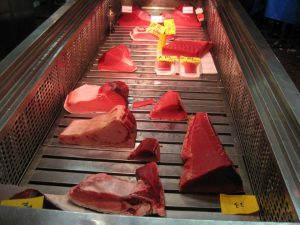
How long can Sushi last if stored in a refrigerator?

Sushi is a dish that is different from other dishes in Japanese cuisine. It is a dish where the shelf life is very short.

Sushi should be eaten the same day it was purchased and there are several reasons.

Raw fish included in sushi together have shelf life as beef Tatar. Since there will be more bacteria in the food the next day.

Avocado is a raw material that quickly turns brown and dull. Most people know what half an avocado looks like the next day if it is not stored in the “right” way.

The individual rice grains also change in taste. The next day, the individual rice grains will be harder to chew.

At the Sushi course for beginners you will learn how to make tasty sushi that you can enjoy for lunch and dinner.

_
Zoë has held sushi courses and cooking classes for A. P. Moller – Maersk, Hugo Boss Nordic, Novo Nordisk, Novartis, Velux, Gorrissen Federspiel, Beierholm revision, Elbek & Vejrup and many more.
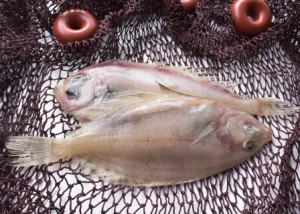
Do Japanese sushi chefs use different types of fish than sushi restaurants in Europe?

Japanese sushi chefs use many different types of fish than European sushi restaurants. Fish is a very popular raw material in Japanese cuisine. The Japanese learn to enjoy fish from when they are small. The Japanese eat as much fish as we eat meat in Europe.

The selection of fresh fish suitable for sushi is bigger in Japan than in Europe. This also means that it is very normal for sushi restaurants in Japan to have 15-20 different fish on the menu.

Some of the fish which is on a Japanese menu such as salmon, tuna and squid. The Japanese menu also contains local fish that can only be caught in local sea in Japan

Read more about the Sushi course for beginners

_
Zoë has held sushi courses and cooking classes for A. P. Moller – Maersk, Hugo Boss Nordic, Novo Nordisk, Novartis, Velux, Gorrissen Federspiel, Beierholm revision, Elbek & Vejrup and many more.
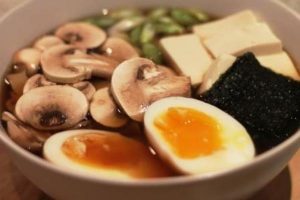
How healthy is seaweed for sushi?

Seaweed for sushi is a very healthy vegetable. In the world, seaweed is the vegetable that contains most vitamins and minerals.

The countries that produces the largest amount of seaweed for sushi are China, Korea and Japan. You can compare seaweed for sushi to crops like wheat or oats. The difference is that seaweed is a vegetable which ia grown on the sea bottom.

Seaweed produced in Japan, China and Korea has difference taste. This is because there are several different type of seaweed used for sushi.

In general, seaweed for sushi is a vegetable that is essential in Japanese cuisine.

Read more about Sushi course for beginners

_
Zoë has held sushi courses and cooking classes for A. P. Moller – Maersk, Hugo Boss Nordic, Novo Nordisk, Novartis, Velux, Gorrissen Federspiel, Beierholm revision, Elbek & Vejrup and many more.
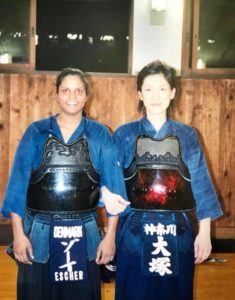
Which type of noodle soup is most popular in Japan?

In Japan, there are several different kinds of noodle soups.

The most popular noodle soup is ramen soup. It is a soup that is sold from many small noodle bars in Tokyo.
What makes the little noodle bars so popular is that they are everywhere and easily accessible.

It does not take many minutes from placing an order to serving a bowl of hot ramen soup.

What makes the Japanese noodle bars unique is that the individual noodle bars have their own recipe. Some recipes have gone through generations and have been refined to perfection.

On the noodle soup course for beginners you will learn how to make 2 different noodle soups from scratch. One of them is the ramen soup that will taste like the ones being served in Tokyo.

Read more about Noodle soup course for beginners

_
Zoë has lectured and held sushi courses for A. P. Moller – Maersk, Hugo Boss Nordic, Novo Nordisk, Novartis, Velux, Gorrissen Federspiel, Beierholm revision, Elbek & Vejrup and many more.

Cooking class: Traditional Japanese cooking for beginners

Traditional Japanese everyday dishes
Traditional Japanese cuisine is defined by carefully selected fresh ingredients, delicate flavor combinations, and a harmonious balance of textures and colors. This deep dedication to quality and detail has made Japanese food renowned and loved around the world.

What will you learn?

In this course, you will gain hands-on experience in preparing authentic and flavorful Japanese dishes, just as they are made by professional chefs in Tokyo.

You will learn how to use essential Japanese ingredients such as mirin and cooking sake, staples in the kitchens of experienced sushi chefs.

You will also gain insight into how Japanese chefs select fish, meat, vegetables, and other ingredients, and learn where and how you can source the right products yourself.

You will work with a variety of cutting and preparation techniques for handling fish, meat, and vegetables to ensure each dish is made to perfection.

Step by step, you will be guided through the preparation of three delicious Japanese dishes: crispy gyoza, a flavorful seafood noodle dish, and tender teriyaki salmon with classic Japanese sides.

Please read more about Traditional Japanese cooking class for beginners

_
Zoë has held sushi courses and cooking classes for A. P. Moller – Maersk, Hugo Boss Nordic, Novo Nordisk, Novartis, Velux, Gorrissen Federspiel, Beierholm revision, Elbek & Vejrup and many more.
Gem

Gem

Gem

Gem

Gem

Gem

Gem

Gem

Authentic Japanese Teriyaki sauce which you can eat with a spoon

Teriyaki sauce has become a popular addition to many Asian dishes, and most people know it as the bottled version found in supermarkets and Asian specialty stores.

However, the homemade, authentic Japanese teriyaki sauce is a completely different experience. It’s rich, well-balanced, and so full of flavor that many of our course participants cannot resist taking a spoonful straight from the pot the first time they taste it.

In our Traditional Japanese Cooking Class for Beginners, participants learn how to prepare three classic Japanese dishes entirely from scratch. One of the favorites is teriyaki salmon a dish that brings out the delicate aromas and depth of flavor in the salmon. The silky-smooth teriyaki sauce adds the final touch, elevating the dish to something truly special and making the taste buds sing.

Read more about Traditional Japanese cooking class for beginners

_
Zoë has held sushi courses and cooking classes for A. P. Moller – Maersk, Hugo Boss Nordic, Novo Nordisk, Novartis, Velux, Gorrissen Federspiel, Beierholm revision, Elbek & Vejrup and many more.