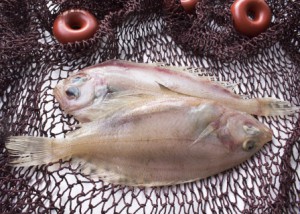
Fish is a natural part of everyday life in Japan. Japanese people generally eat much more fish and seafood than people in Denmark and many other European countries.
From an early age, Japanese children are introduced to the many flavours of fish. A traditional Japanese broth called dashi is an essential part of Japanese cooking. It is used in soups, sauces and many other traditional dishes.
Japanese children grow up eating fish prepared in many different ways. In Denmark, meat is often the main part of a family meal. In Japan, fish plays a similar role in many households.
But Japanese cuisine offers much more than fish. Seafood has also been an important part of Japanese food culture for centuries. Mussels, shrimp, squid and even jellyfish are enjoyed in a variety of dishes.
This wide selection of fish, seafood and fresh ingredients helps make the Japanese diet both varied and nutritious.
Fish is also rich in omega-3 fatty acids, which support several important functions in the body. The traditional Japanese diet is often mentioned as one of the possible reasons why Japanese people enjoy such long lives.
Join a Sushi course for beginners and learn how to make delicious sushi. You will also discover more about Japanese ingredients and cooking traditions.
_
Zoë has held sushi courses and cooking classes for A. P. Moller – Maersk, Hugo Boss Nordic, Novo Nordisk, Novartis, Capgemini, Gorrissen Federspiel, Beierholm revision, Elbek & Vejrup and many more.