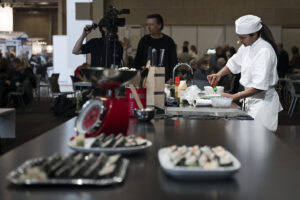
Learn to make sushi using authentic Japanese techniques

Sushi chef & sake sommelier Zoë Escher
Sushi is a craft where balance, technique, and respect for ingredients are essential.
In this course, you will learn to make sushi using methods rooted in Japan and practiced by chefs in Tokyo.

The course is taught by Zoë Escher, who was trained by a Japanese chef from Tokyo.
This means you will not only learn how to roll sushi, but also gain insight into the fundamental techniques and workflows that form the foundation of high-quality sushi.

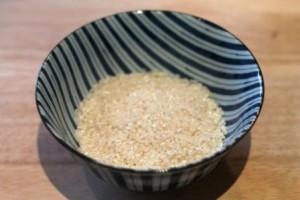
During the course, you will prepare sushi rice from scratch and learn how consistency and preparation affect flavor and texture.
You will be introduced to Japanese ingredients and gain knowledge about selecting fish and seafood with a focus on quality.
In addition, you will learn basic knife skills and proper ingredient preparation. Step by step, you will practice making classic roll types such as hosomaki, uramaki, and futomaki.

The course takes place in Copenhagen and is designed for participants of all experience levels.

You will leave with practical knowledge, greater confidence in the kitchen, and inspiration to make sushi at home.

Read more about the Sushi Course for Beginners

_
Zoë has held sushi courses and cooking classes for A. P. Moller – Maersk, Hugo Boss Nordic, Novo Nordisk, Novartis, Capgemini, Gorrissen Federspiel, Beierholm revision, Elbek & Vejrup and many more.

Why Japanese Knife Technique Is Truly Unique

Sushi chef & sake sommerlier Zoë Escher
Japanese knife technique differs greatly from the way many people are used to working with a knife. It is not about speed, but about precision, calmness, and control.
Every cut has a purpose, and the knife is used as an active tool to preserve the structure of the ingredient and highlight both its silky texture and flavor.

In Japanese cooking, the cut itself is an integral part of the preparation.
When an ingredient is cut correctly, its juices and texture are preserved, resulting in a cleaner, more balanced taste. This is why long, continuous movements are used instead of short, sawing motions. The sharpness of the knife does the work, producing a clean and uniform cut.

The technique is also about respect for the ingredient. Fish, vegetables, and other ingredients require different cuts, angles, and levels of pressure, and this understanding lies at the heart of Japanese culinary culture. When knife work is done correctly, the natural qualities of the ingredient are enhanced rather than damaged.

Japanese knife technique is therefore not merely a skill, but a craft that brings calm into the kitchen and elevates both presentation and flavor. It is the attention to detail in every cut that makes the difference and what makes Japanese knife technique truly special.

Read more about Sushi Course for Beginners

_
Zoë has held sushi courses and cooking classes for A. P. Moller – Maersk, Hugo Boss Nordic, Novo Nordisk, Novartis, Capgemini, Gorrissen Federspiel, Beierholm revision, Elbek & Vejrup and many more.

What type of sushi is eaten in Europe?

Sushi Chef & Sake Sommelier
In Europe, many different types of sushi are eaten, but some of the most popular varieties are;

Nigiri Sushi is one of the most common types of sushi in Europe. It consists of a small lump of rice that has been shaped and pressed together, with a slice of raw fish, shellfish or other filling on top. It is often served with wasabi and soy sauce.

Maki sushi is rolled sushi and is popular in Europe. It consists of rice and filling that is rolled in seaweed. There are different variations of maki sushi depending on the filling and the rolling technique.

The California Roll is a western adaptation of sushi that typically contains imitation crab, cucumber and avocado. It is often rolled with rice on the outside.

Although not traditional sushi, sashimi is very popular in Europe. It consists of slices of fresh, raw fish or shellfish served without rice. It is a favorite among those who want a pure fish taste.

In Europe, there is also a growing trend to experiment with fusion sushi, combining Japanese flavors with local ingredients and techniques. This can lead to unique and exciting flavor combinations.

On the Sushi course for beginners, you learn step by step how to make tasty sushi like Japanese sushi chefs in Tokyo.

_
Zoë has held sushi courses and cooking classes for A. P. Moller – Maersk, Hugo Boss Nordic, Novo Nordisk, Novartis, Velux, Gorrissen Federspiel, Beierholm revision, Elbek & Vejrup and many more.
What is a maki sushi roll?

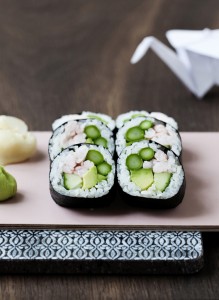
Sushi roll futomaki with prawns, web: http://chefzoeescher.com
A maki sushi roll is defined as a rolled nori seaweed with sushi rice added with tasty ingredients.

Maki sushi rolls are made in several different sizes.*In Denmark we have two sizes. The small ones are called hosomaki and the big roll is called futomaki.

In Japan, maki sushi rolls are even larger.
At exclusive sushi restaurants in Tokyo, a maki roll is served that is 3 times as large as a classic Danish futomaki. Futomaki of that size does not contain fish, the Japanese do not eat large quantities of fish at once. It usually contains several different vegetables, omelet and other plant-based proteins.

Maki sushi rolls are known for their versatility as they allow for a wide range of flavor combinations and variations. They are also perfectly suited as take-away food, as sushi pieces keep their shape even if they are exposed to vibrations along the way.

Maki sushi rolls are one of the most popular forms of sushi and are enjoyed by sushi lovers worldwide.

Read more about Sushi course for beginners

_
Zoë has held sushi courses and cooking classes for A. P. Moller – Maersk, Hugo Boss Nordic, Novo Nordisk, Novartis, Velux, Gorrissen Federspiel, Beierholm revision, Elbek & Vejrup and many more.
Do fishmongers know what type of fish is suitable for sushi?

All fishmongers know what kind of fish is used for sushi.

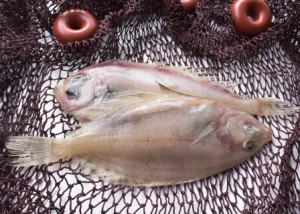
It is very important to ask for fish for sushi. Fish for sushi has a completely different quality than fish to be fried.

The reason for the difference in quality of fish is that fish for sushi being eaten raw. It is very important to use top quality fish. If you eat raw fish that has become too old you may become ill.

At Sushi course for beginners I talk more about what kind of fish to buy for sushi

_
Zoë has held sushi courses and cooking classes for A. P. Moller – Maersk, Hugo Boss Nordic, Novo Nordisk, Novartis, Velux, Gorrissen Federspiel, Beierholm revision, Elbek & Vejrup and many more.
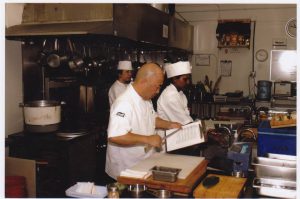
Sushi chef pictures from 2006 in Los Angeles

I just found an old picture from the 2006 from California Sushi Academy and a picture taken last month. Toshi still were his glasses in his forehead.
In 2006, we were all terrified every 14 days because our sushi skills were tested. Toshi is also a judge at sushi competitions in Japan and he is very tough as a judge.

In the first picture, Toshi is checking how clean my chef uniform is and then he is checking how sharp my sushi knife is.

Such a skill test consisted of fillet mackerel, sahimi, nigiri test, sushi roll test and presentation. Not only did he test our skills he also took time on how long we were about to make the food.

Thank god, I became No. 2 in the final and crucial skill test.

A lot has happened since then and today I am not dying of fear.

Read more about Sushi chef & sake sommelier Zoë Escher

_
Zoë has lectured and held sushi courses for A. P. Moller – Maersk, Hugo Boss Nordic, Novo Nordisk, Novartis, Velux, Gorrissen Federspiel, Accenture audit Elbek & Vejrup and many more.


What is the biggest challenge in learning how to make sushi?

I would like to say that cooking rice is a challenge in Denmark. The weather in Denmark changes a lot compared to other countries such as the south of France. We have 4 seasons and it is often seen that the temperature changes several times within the different seasons.

This means that it takes longer to learn how to cook sushi rice because you must be able to cook sushi to perfection in all kinds of weather all year round.

Unfortunately, the fewest ones are aware that the weather affects the amount of water for sushi, cooking time and temperature.

At Sushi course for beginners I talk more about boiling sushi rice to perfection.

_
Zoë has lectured and held sushi courses for A. P. Moller – Maersk, Hugo Boss Nordic, Novo Nordisk, Novartis, Velux, Gorrissen Federspiel, Beierholm revision, Elbek & Vejrup and many more.
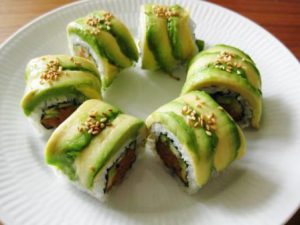
Kaburimaki also called insite-out offers many flavor combinations

In Europe and especially Denmark the sushi roll Kaburimaki has become a popular dish. The reason for its popularity is because you can combine several different raw materials in different ways.
With a Kaburimaki roll you can highlight the flavors and flavors of raw materials in new ways.

I am very much fond of the roll in the simple way in which fish and vegetables play the lead role. They do because I use different cutting techniques to highlight their unique taste.

Read more about Sushi chef & sake sommelier Zoë Escher

_
Zoë has lectured and held sushi courses for A. P. Moller – Maersk, Hugo Boss Nordic, Novo Nordisk, Novartis, Velux, Gorrissen Federspiel, Beierholm revision, Elbek & Vejrup and many more.