
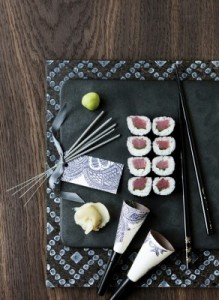
Sushi Course for Beginners – Learn Sushi Like Japanese Sushi Chefs in Tokyo

sushi

Do you want to learn how to make sushi using the same techniques mastered by sushi chefs in Tokyo?
Then this course is for you!

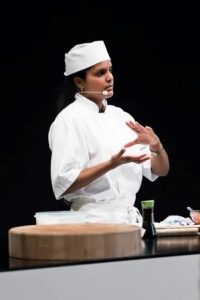
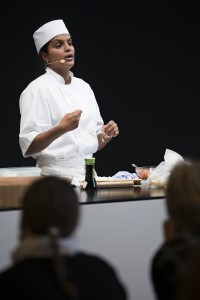
At Denmark’s only sushi course taught by a Japanese-trained sushi chef, you will be taught by Zoë Escher, who was trained by a Japanese sushi master from Tokyo. She brings the authentic Japanese sushi tradition directly to your kitchen in Copenhagen.

You won’t just learn how to roll sushi, you’ll learn to understand the ingredients, techniques, and philosophy behind sushi, exactly as sushi chefs in Tokyo do.

On the course, you will learn, among other things:

  • How to prepare sushi rice so it has the perfect consistency and flavor.
  • How to use Japanese ingredients that give sushi its authentic aroma.
  • How to choose fish and shellfish using the same criteria sushi experts look for.
  • The most important cutting techniques and ingredient preparations.
  • How to make three classic types of rolls:
    • Hosomaki (small rolls)
    • Uramaki (inside-out rolls)
    • Futomaki (large rolls)

… and much more.

The course takes place in Copenhagen, where you’ll enjoy a cozy and educational afternoon – and of course, plenty of sushi to enjoy afterwards.

Please read more about the cooking class  Sushi for beginners
_
Zoë has held sushi courses and cooking classes for A. P. Moller – Maersk, Hugo Boss Nordic, Novo Nordisk, Novartis, Velux, Gorrissen Federspiel, Beierholm revision, Elbek & Vejrup and many more.

Gem

Gem

Gem

Gem

Gem

Can all types of seafood be used for sushi?

For that I have to say both Yes and No.

It depends a lot on how it is used in sushi.
You have to think that seafood has a completely different texture than fish. Most fish fillets are quite firm in the meat.

If you look entirely at seafood they remind you most about a bag of mixed candy. Seafood comes in many different sizes, tastes and texture. It is the raw material that is the hardest to use for sushi.

Some seafood used in sushi restaurants outside Europe are very difficult to prepare for sushi, it requires you as a sushi chef to use many different Japanese cooking techniques.

The consistency of seafood is also very different. Some shellfish have a very hard surface while others are very soft. In order for this type of raw material to become a gastronomic experience, you need to know which Japanese cooking techniques are best suited to it.

At the Sushi course for beginners the attendance learns to prepare the most sought after raw materials for sushi.

_
Zoë has held sushi courses and cooking classes for A. P. Moller – Maersk, Hugo Boss Nordic, Novo Nordisk, Novartis, Velux, Gorrissen Federspiel, Beierholm revision, Elbek & Vejrup and many more.
Do Japanese sushi chefs use different types of fish than sushi restaurants in Europe?

Japanese sushi chefs use many different types of fish than European sushi restaurants. Fish is a very popular raw material in Japanese cuisine. The Japanese learn to enjoy fish from when they are small. The Japanese eat as much fish as we eat meat in Europe.

The selection of fresh fish suitable for sushi is bigger in Japan than in Europe. This also means that it is very normal for sushi restaurants in Japan to have 15-20 different fish on the menu.

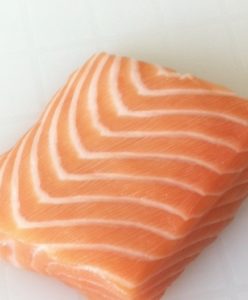
Some of the fish which is on a Japanese menu such as salmon, tuna and squid. The Japanese menu also contains local fish that can only be caught in local sea in Japan

Read more about the Sushi course for beginners

_
Zoë has held sushi courses and cooking classes for A. P. Moller – Maersk, Hugo Boss Nordic, Novo Nordisk, Novartis, Velux, Gorrissen Federspiel, Beierholm revision, Elbek & Vejrup and many more.
Warm evenings, sunshine and sushi

Spring are here and summer is approaching with rapid steps.

The warm evenings offer barbecues, salads, fruit pies and not least sushi. There are quite a few people who prefers to eat dishes are not as heavy in the stomach as winter food.
Sushi is a diner that is ideal for the warm evenings with a good glass of white wine. With sushi, it will never be boring there are unlimited possibilities in the composition of a dinner.

More and more people are on making their own sushi with their favorite ingredients. At the Sushi course for beginners the attendances learn to use Japanese cooking techniques for preparing sushi.
They learn and about Japanese food stages they have to go through from raw materials, cooking of sushi rice, preparation of vegetables and fish, and step by step to making tasty sushi rolls.

You can read more about the class Sushi for beginners

_
Zoë has held sushi courses and cooking classes for A. P. Moller – Maersk, Hugo Boss Nordic, Novo Nordisk, Novartis, Velux, Gorrissen Federspiel, Beierholm revision, Elbek & Vejrup and many more.

Is there any difference between Japanese sushi rice?

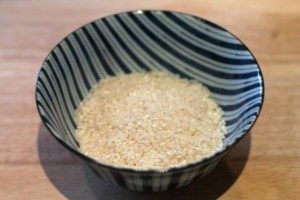
Japanese sushi rice is not just rice. There is a big difference between the quality and the different types of sushi rice. The variation in Japanese sushi rice is very large and like many other foods sushi rice are available in different grades such as cheap, middle class and expensive sushi rice.

The information on the packaging is sporadic and not always just informative.
Japanese sushi rice differs from sushi rice produced in other countries. In Denmark there is Japanese sushi rice that clumps more than others. You will notice this when the rice has been cooked and about to be mixed with winegar (salt and sugar).

That does not mean that something is wrong with the rice. It can be difficult to get rid of all the lumps especially if you are use to cook sushi rice.

At Sushi course for beginners you will learn how to cook sushi rice as in Japanese sushi restaurants.

_
Zoë has lectured and held sushi courses for A. P. Moller – Maersk, Hugo Boss Nordic, Novo Nordisk, Novartis, Velux, Gorrissen Federspiel, Beierholm revision, Elbek & Vejrup and many more.

What raw materials do Japanese sushi chefs prefer to use for sushi?

In Tokyo, the Japanese have a slightly different approach to sushi.

Most Japanese prefer to eat nigiri rather than sushi rolls.

If you are dining at a sushi restaurant in Tokyo the rolls will often contain something different from what we know about in Europe. In Japan, it is very normal to serve a hosomaki (small roll) to end a sushi meal.

It may contain pickled plum or tuna.

When it comes to sushi there is nothing right or wrong. Most restaurants have their own style. When it comes to raw materials Japanese sushi chefs in Tokyo and I are in favor of using local produce that is in season.

Read more about the Sushi course for beginners

_
Zoë has held sushi courses and cooking classes for A. P. Moller – Maersk, Hugo Boss Nordic, Novo Nordisk, Novartis, Velux, Gorrissen Federspiel, Beierholm revision, Elbek & Vejrup and many more.
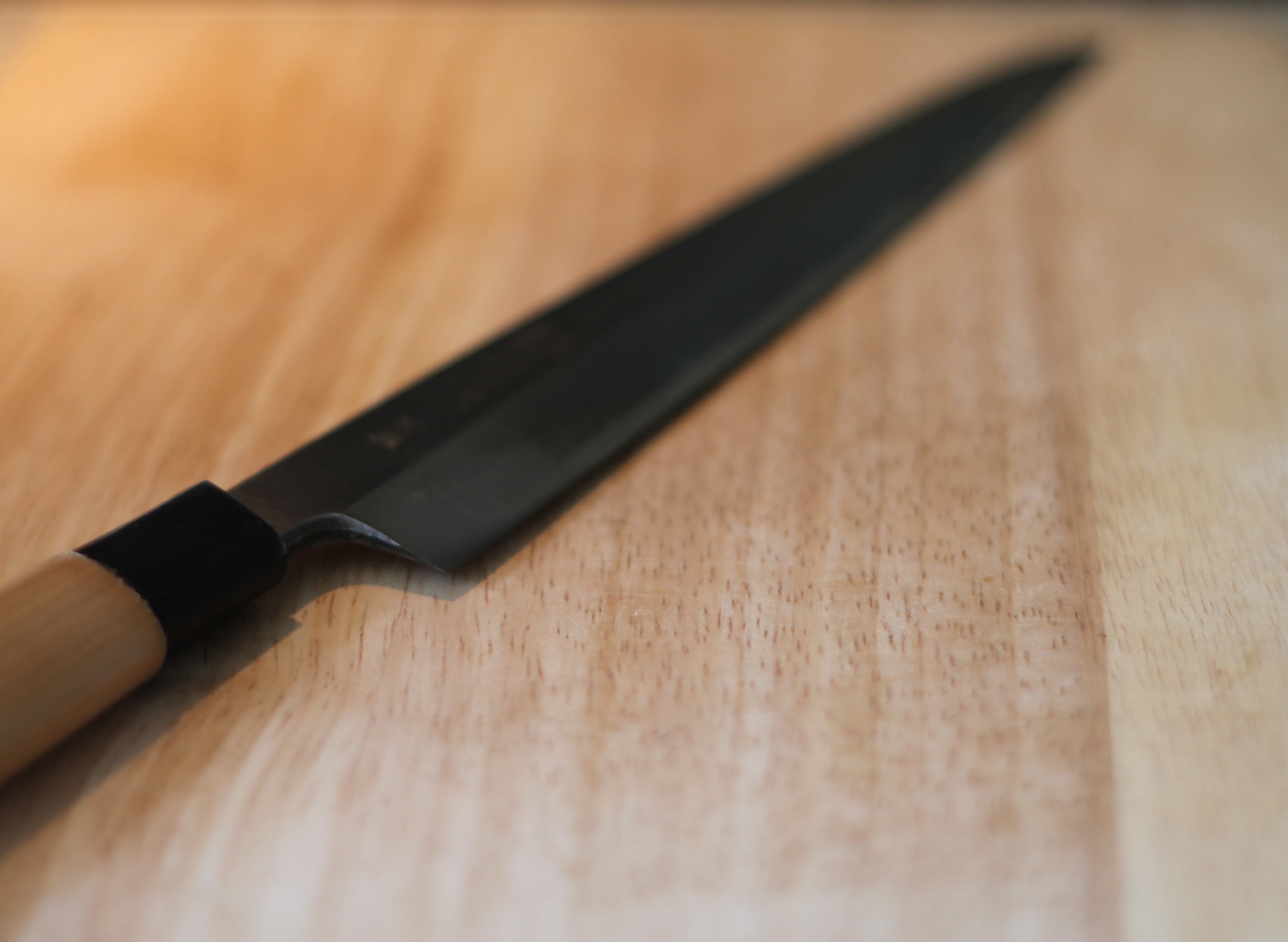
What seafood is best suited for sushi?

Sushi chef Zoë EscherIn Denmark only a few seafood is available for sushi. You often find tiger prawns on the menu which is quite a shame for many miss the unique flavors from other seafood.
In Japan different types of squid is used and served in different ways. Sea urchins are extremely popular in Japanese sushi restaurants and have a delightful taste.

In addition, the Japanese have a large selection of shrimps found only in the East part of the world. Shrimp has a size, taste and character that you unfortunately cannot get in Denmark.
In Denmark, we have many beautiful and not so exotic commodities that are perfect for sushi like lumpfish roe, scallops and smoked eel.

Read more about advanced sushi course

_
Zoë has lectured and held sushi courses for A. P. Moller – Maersk, Hugo Boss Nordic, Novo Nordisk, Novartis, Velux, Gorrissen Federspiel, Beierholm revision, Elbek & Vejrup and many more.
Gem

Gem

Gem

Gem

What is the first thing Japanese people notice when they eat sushi?


When a Japanese person orders sushi, they use other criteria to evaluate the food.

When it comes to sushi the Japanese’s favorite food is nigiri. The selection of fish in Japan is very large and it is very normal that you find 15 to 20 different fish on the menu.

What a Japanese person primarily looks for when eating sushi is whether the rice is cooked to perfection. The consistency of sushi rice should be soft but also firm. It should not be like porridge, but the rice grain should not be hard or raw inside either. It is a balance that is difficult to get.

If the rice is not cooked to perfection, I will affect the dining experience.  This is because quite a few ingredients are used for sushi. You use the best fish in the world, but if the rice is cooked to perfection the dining experience will fall apart.

In the Sushi course for beginners, you learn step-by-step how to cook sushi in a quality that is suitable for use in sushi.

_
Zoë has lectured and held sushi courses for A. P. Moller – Maersk, Hugo Boss Nordic, Novo Nordisk, Novartis, Velux, Gorrissen Federspiel, Beierholm revision, Elbek & Vejrup and many more.
Why is it harder to cook sushi rice?

When I make authentic Japanese sushi I will cook the rice as it is made and served in Tokyo, then rice plays a very important role.

It does so because in Japan, the consistency of the cooked rice is as important as the quality of the fish used for sushi.

If you use fish of poor quality then your sushi will not taste very good. This applies also to sushi rice.

The cooked sushi rice must be at least of the same quality as the fish. They should be firm but soft. They should not be like porridge but they should not be raw inside either. It can be a difficult balance to hit.

In the sushi course for beginners, you will learn how to cook sushi rice as they are cooked in restaurants in Tokyo.

_
Zoë has held sushi courses and cooking classes for A. P. Moller – Maersk, Hugo Boss Nordic, Novo Nordisk, Novartis, Velux, Gorrissen Federspiel, Beierholm revision, Elbek & Vejrup and many more.

Are Japanese sushi restaurant in Tokyo different?

TokyoThere are many different types of restaurants in Tokyo.

The most exclusive sushi restaurants in Tokyo are very different compared to European restaurants.
The size of a Japanese sushi restaurant can be very small.  There are many Japanese restaurants that has only room for 6 – 15 people. There are several reasons for that.

Tokyo has 20 million citizens living in a very small geographic area. Besides the many people living in Tokyo there are also many restaurants, street food and shops. There is almost a restaurant on every street in Tokyo so the competition in the neighborhood is fierce.

There is also another factor which is that the Japanese do not compromise on the quality of food and service. Tokyo is the city of the world with the highest quality of food.

Every restaurant try their best to provide the best food and service. The competition between the restaurants are very fierce. In order for a restaurant to succeed the has to be good.

Please read more about Sushi course for beginners

_
Zoë has lectured and held sushi courses for A. P. Moller – Maersk, Hugo Boss Nordic, Novo Nordisk, Novartis, Velux, Gorrissen Federspiel, Beierholm revision, Elbek & Vejrup and many more.

Gem

Gem

Gem

Gem